
Managing a nonprofit is different from running any other type of organization. Besides having to comply with unique regulations, all of your day-to-day activities are centered around furthering a cause and making an impact. While it’s easy to see this purpose in fundraising, supporter engagement, and service delivery, your back-office operations should also be mission-focused—especially financial management!
Nonprofits also have a distinct system for managing their finances, known as fund accounting. In this guide, you’ll learn all you need to know about how this process works and why it’s important for your organization. We’ll cover:
With the right tactics, technology, and assistance on your side, fund accounting can be more than just a set of requirements to follow—it’ll become a vital tool to help your nonprofit further its mission. Let’s get started!

To clarify this complex concept, we’ve answered a few of the most common questions about fund accounting below.
Fund accounting is a method of managing finances designed for tax-exempt organizations. Generally speaking, it tracks which funds are designated for various programs and operations and how much money is allocated to each activity.
Traditional accounting (the method businesses use) focuses on turning a profit by tracking revenue from sales of products and services. However, fund accounting is primarily concerned with accountability rather than profitability, since your organization can’t turn a profit by definition. Your financial management structure should help you follow through on your commitments to donors as you fund your mission.
Besides the ultimate purpose of helping you make sure you have the resources you need to drive your mission forward, fund accounting has many benefits for nonprofits like yours. These include:

As of 2024, 67% of nonprofit supporters believe it’s essential to trust the organizations they contribute to, but only 22% say they highly trust nonprofits. Fund accounting is just one piece of the puzzle for improving donor trust, but it’s a critical one because of its benefits for internal decision-making and especially compliance.
Nearly all tax-exempt organizations use fund accounting to manage their finances, including:
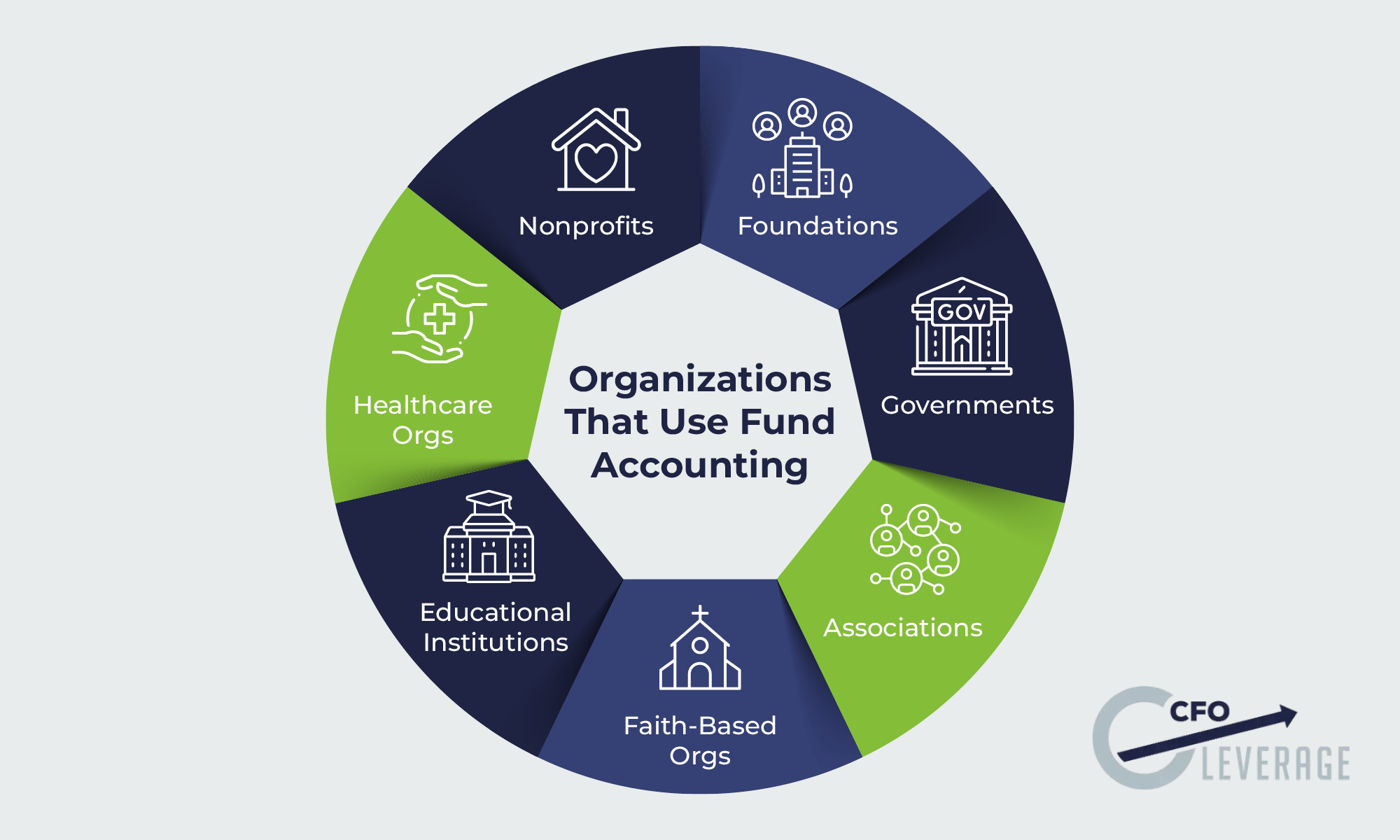
While there may be nuances in how these organizations set up their accounting systems and report on their funding, they all use the same basic categorization model to remain accountable as they manage their finances.
The basis of a fund accounting system is dividing all of your nonprofit’s revenue into three categories based on what conditions (if any) the contributing individual or organization has placed on its use. Let’s look at each category in more detail.

Generally speaking, restricted funds are nonprofit contributions that a funder has designated to be used for a specific purpose. In some cases, those designations hold in perpetuity, meaning your organization would categorize the funds in question as permanently restricted.
Endowments are the most common type of permanently restricted nonprofit contribution. They generally work as follows:
Despite their specificity, endowment funds can be extremely beneficial for many types of organizations that need resources for long-term projects. Universities often have endowed scholarships and fellowships, hospitals may use endowment funding to conduct research on complicated health conditions, and a church might even start an endowment to support its missions and outreach work. Donors who contribute permanently restricted funds typically want to support these activities for years to come since they’re passionate about that area of work.
Besides endowments, most donor-designated contributions to your nonprofit aren’t restricted indefinitely. Instead, they’re temporarily restricted, meaning they’re bound by a specific purpose or time period. Once the purpose is fulfilled or the time expires, the restrictions no longer apply to any resources that remain.
Some examples of temporarily restricted contributions include:
Whenever possible, you should use the full amount of a temporarily restricted contribution for its intended purpose, which is why it’s important to budget carefully for initiatives like the ones mentioned above. However, if things don’t go to plan and you have leftover funds (for instance, if the building project your capital campaign funded is completed under budget), reach out to the funder to see if they want the rest of their contribution to be returned to them, support another initiative of their choice, or go toward any area of your budget that needs additional funding.
Keep in mind that donor-imposed funding restrictions—whether temporary or permanent—are legally binding. If your nonprofit misallocates these funds (even by accident), contributors have the right to sue your organization, plus you might incur fines from the IRS. Long story short, track restricted funds carefully by using fund accounting!
On the other hand, unrestricted funds have no designations attached. Your nonprofit can put them toward any expenses you incur, whether they’re related to mission-driven programs and initiatives or support the administrative and fundraising needs that contribute to your overhead.
Here are a few examples of nonprofit contributions that are typically unrestricted:
Remember that these funds are unrestricted because their contributors didn’t designate them for specific purposes. If your organization internally allocates certain funds and informs donors about it (e.g., advertising that all of the revenue from your annual gala will go toward a new program launch), they’re still considered unrestricted, and the designation isn’t legally binding. However, it’s still in your best interest to use those funds as promised to build trust with your supporters.

Understanding different types of funding restrictions is just the first step in effective fund accounting. Here are a few other best practices to implement to make this system work for your nonprofit:

The best way to ensure proper fund accounting at your organization is to partner with nonprofit financial professionals like the team at CFO Leverage. Because we work exclusively with exempt organizations, we have extensive experience with restricted fund management and other common nonprofit-specific financial challenges. Whether you’re looking for everyday bookkeeping support, higher-level financial strategy development, or other custom financial services, we can provide expert support at an affordable rate!
Fund accounting may seem complex at first, but it’s essential for furthering your mission and honoring your commitments to the supporters who make that possible. Use the tips and guidance above to get started, and remember that our experts at CFO Leverage are here to help anytime you may need it.